
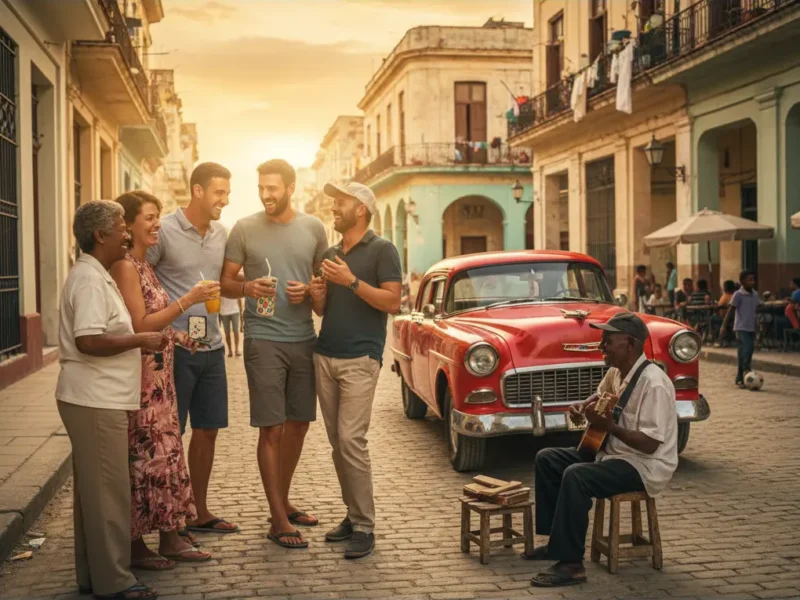
For American travelers, Cuba represents a fascinating paradox: an island suspended in time, radiating irresistible Caribbean warmth, yet often framed by complex political narratives. The true essence of Cuba, however, lies not in its politics but in its vibrant culture, resilient people, and profound artistic energy. For U.S. citizens, a journey to Cuba is not only possible but can be one of the most enriching travel experiences imaginable when focused on authentic cultural immersion. This guide moves beyond the headlines to explore how you can connect deeply with Cuba’s soul, travel in full compliance with regulations, and return home transformed by the island’s unique rhythm.
Understanding the Legal Pathway: “Support for the Cuban People”
U.S. citizens can travel legally to Cuba under specific authorized categories. The most common and applicable for tourists is the “Support for the Cuban People” (SCP) general license. This is not a physical visa you apply for; it is a self-designated category under which you must structure your trip to ensure your activities support private citizens and independent businesses, not the Cuban government.
- Key Requirement: Your schedule must include a full-time itinerary of activities that foster meaningful interaction with individuals and the private sector. This goes beyond passive sightseeing to include genuine cultural exchange.
- Essential Documentation:
- Cuban Tourist Card (Visa): Required for all travelers, obtainable through airlines or visa services.
- Valid Passport: Must be valid for at least six months beyond your entry date.
- Travel Insurance: Health insurance valid in Cuba is mandatory.
- Financial Records: Keep receipts and a detailed travel journal of your SCP activities for five years after your trip.
- Prohibited Activities: U.S. regulations prohibit standard tourist activities like lounging at all-inclusive resorts owned by the state. You cannot stay at certain government-owned hotels or shop at state-run stores. Bringing back Cuban cigars and rum to the U.S. is also prohibited.
Key Travel Requirement for U.S. Citizens
- Legal Framework: Travel under the “Support for the Cuban People” (SCP) general license.
- Core Principle: Engage in a full-time schedule of activities that support private Cuban entrepreneurs.
- Accommodation: Stay in privately-owned casas particulares (guesthouses), not prohibited government-owned hotels.
- Dining: Eat at privately-owned paladares, not state-run restaurants.
The Heart of Authentic Cuba: Immersive Cultural Experiences
To travel under SCP and experience the real Cuba, your days should be filled with activities that connect you with local artisans, entrepreneurs, and families. Here are the pillars of an authentic cultural journey.
1. Live Like a Local: Casas Particulares & Paladares
Embrace the cornerstone of private Cuban enterprise. A casa particular is a privately-owned bed and breakfast, often a room in a family home. Staying here directly supports the household and offers priceless insight into daily Cuban life, far more than any hotel could. Similarly, paladares are privately-owned restaurants, often set in stunning colonial homes. They are at the forefront of Cuba’s culinary renaissance, serving creative dishes that go beyond standard fare.
2. Connect Through Art, Music, and Movement
Cuba’s creative pulse is its lifeblood. Go beyond observation to participation.
- Art Studio Visits: Skip only the museums and visit the home studios of local painters and sculptors. Engage with artists directly, learn about their inspirations, and support them by purchasing artwork.
- Dance to the Rhythm: Take a private salsa or Afro-Cuban dance lesson. It’s a fun, humbling, and joyful way to connect with Cuba’s infectious energy. In the evening, experience live music at venues like the famed Fábrica de Arte Cubano (FAC), a multi-space art factory that epitomizes Havana’s vibrant creative nightlife.
- Hands-On Workshops: Learn the art of cigar rolling on a Viñales tobacco farm from a guajiro (Cuban cowboy). Or, take a mojito-making class in a local bar to master the craft of Cuba’s most famous cocktail.
3. Engage in Meaningful People-to-People Exchange
The most memorable moments often come from unstructured human connection.
- Share a Cena (Dinner): Book an experience to have dinner in a local family’s home. This is the ultimate opportunity for conversation, storytelling, and enjoying a homemade meal.
- Learn from Local Experts: Hire a private guide for a walking tour of Old Havana or an Afro-Cuban cultural tour. Their personal stories and insights will provide context you cannot find in a guidebook.
- Explore Neighborhoods: Wander beyond Old Havana. Visit the colorful, mosaic-covered streets of Fusterlandia in Jaimanitas or explore the culturally rich district of Guanabacoa to understand Cuba’s African roots.
Practical Planning for a Seamless Journey
Money Matters: A Cash-Only Society
Cuba operates almost exclusively on cash. U.S. credit and debit cards do not work.
- Currency: The Cuban Peso (CUP) is the sole official currency. U.S. dollars can be exchanged, often with an added fee.
- How Much to Bring: Budget for all expenses (accommodation, food, activities, transport, souvenirs) and bring more than you think you’ll need, as access to additional funds is impossible. Keep cash secure in your accommodation.
- Tipping: Tipping is allowed and appreciated, as salaries are low. Tip guides, drivers, musicians, and casa hosts in CUP.
Essential Packing List for Cuba
- Cash: Sufficient U.S. dollars or Euros for your entire trip, in small and large denominations.
- Personal Essentials: Sunscreen, medications, feminine hygiene products, and personal toiletries, as these can be scarce or expensive.
- Gifts: Consider bringing small, useful gifts like soap, shampoo, school supplies, or toys for hosts or guides.
- Adapters: Cuba uses Type A (two-prong flat) and Type C (two-prong round) outlets. A universal adapter is recommended.
- An Open Mind & Patience: Infrastructure is often old, and internet is limited. Embrace the slower pace as part of the experience.
Cultural Etiquette and Safety
- Photography: Always ask for permission before photographing people. It is illegal to photograph military personnel, police, or airports.
- Conversations: Cubans are famously warm and talkative. Be open to conversations, but be respectful and avoid inflammatory political debates. If a local criticizes the government, it’s best not to join in.
- Safety: Violent crime is rare, but petty theft like pickpocketing can occur. Use common sense: don’t flash cash, secure valuables, and be aware in crowded areas.
Crafting Your Cultural Itinerary
A balanced trip blends Havana’s energy with the serene countryside.
- Havana (3-4 Days): Explore Old Havana’s plazas, take a classic car ride along the Malecón, visit an art studio, enjoy a paladar dinner, and experience FAC or a salsa club.
- Viñales (2 Days): Travel west to this UNESCO valley. Stay in a rural casa, learn about tobacco farming, take a horseback ride through the dramatic mogotes, and connect with farming families.
- Trinidad (2 Days): Head to this perfectly preserved colonial city. Wander its cobblestone streets, visit nearby Topes de Collantes National Park for hiking, and enjoy live music in the central plaza.
Conclusion
Traveling to Cuba as an American is a unique privilege that offers a profound cultural journey. By focusing on the “Support for the Cuban People” framework, you commit to a trip that is not only legal but also ethical and deeply rewarding. You will move beyond the politics to discover an island of incredible music, resilient creativity, and unparalleled human warmth. In doing so, you’ll gain a genuine understanding of Cuba that transcends decades of headlines, one meaningful connection at a time.
Frequently Asked Questions
Yes, Cuba is generally considered safe for travelers, with one of the lowest violent crime rates in the region. Petty theft like pickpocketing can occur, so standard travel precautions apply: secure your valuables, don’t flash large amounts of cash, and be aware of your surroundings.
No. U.S. bank-issued credit and debit cards do not work in Cuba. ATMs will not dispense cash from U.S. accounts. You must bring all the money you will need for your entire trip in physical cash (U.S. dollars or Euros are best).
Many casas and private experiences (like cooking classes or art tours) can be found and booked online through global platforms like Airbnb. Alternatively, reputable tour operators specializing in Cuba (like those cited in this article) can handle all bookings and ensure SCP compliance.
While Cubans are often openly friendly and conversational, it is wise to be a respectful listener. Avoid initiating heated political debates. If a local critiques their government, it’s best not to amplify or agree strongly, as this can put them in an uncomfortable position. Focus on cultural exchange, family, music, and shared interests.
Internet access has improved but is still not ubiquitous or fast. You can purchase Wi-Fi cards (ETECSA) to access hotspots in parks or some hotel lobbies. Many casas particulares now offer paid Wi-Fi. Plan to be largely disconnected and inform loved ones of your limited communication.
Comments